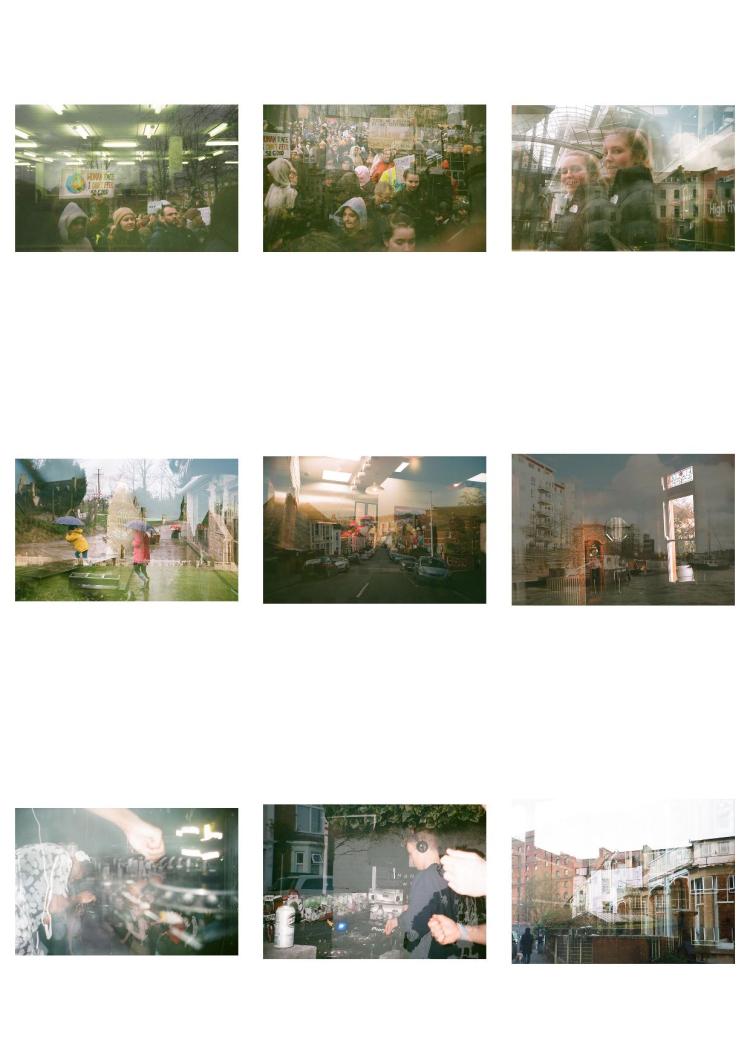
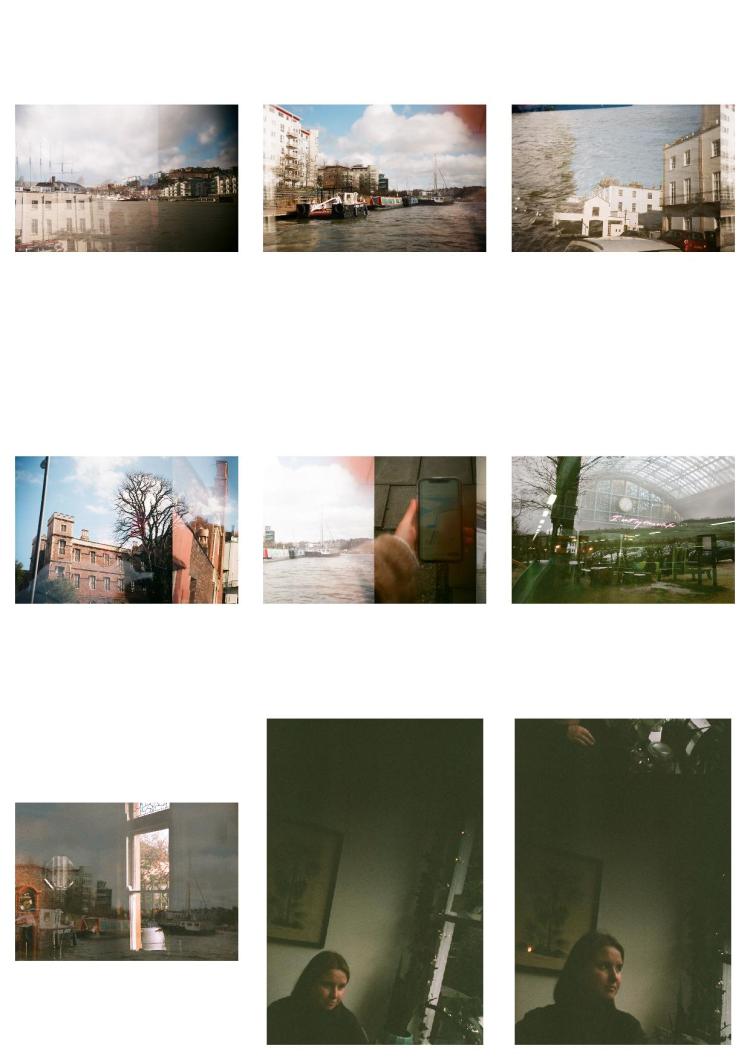
Here are some of the shots that came out of the triptography technique that I applied with my film camera.
In this series of images human relationships and behaviour is juxtaposed with the architecture of the human culture.
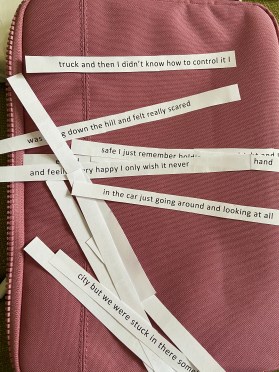
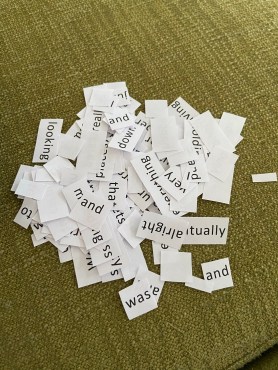
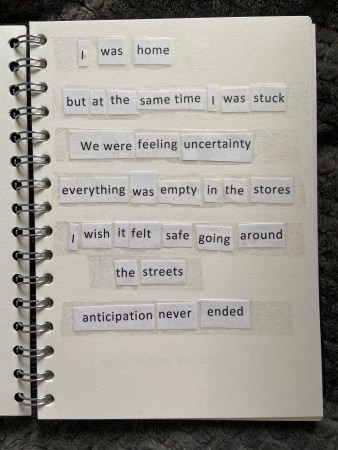
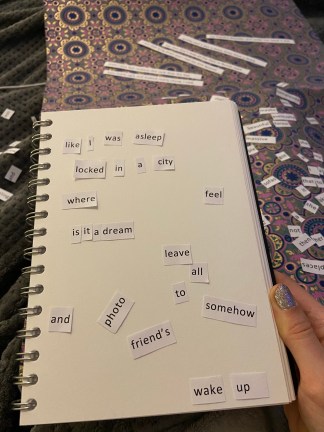
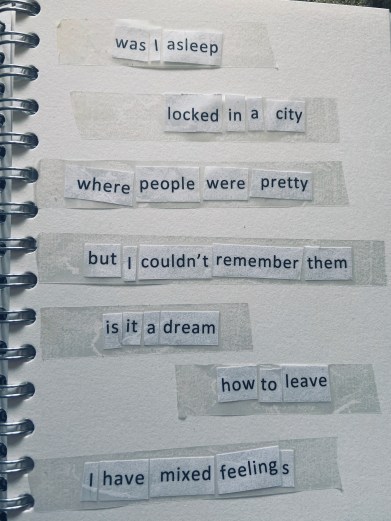
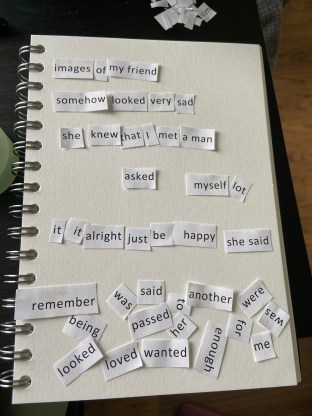
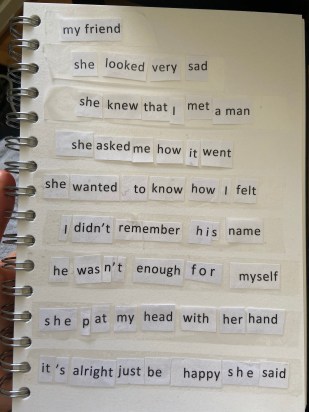
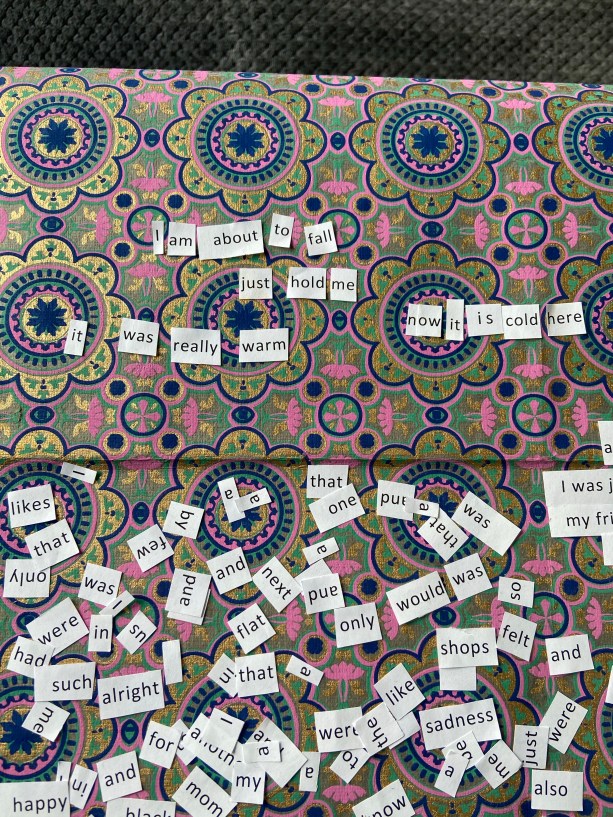
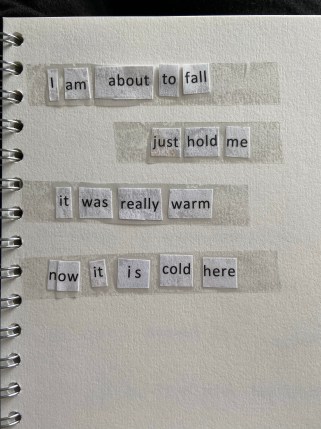
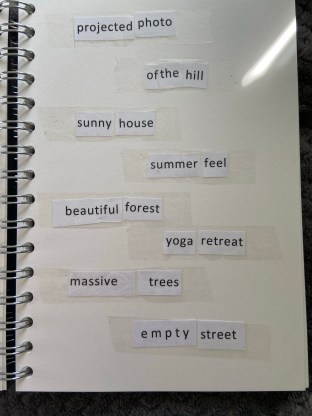
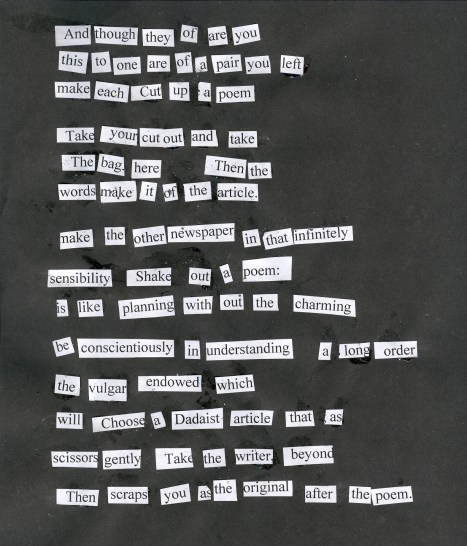
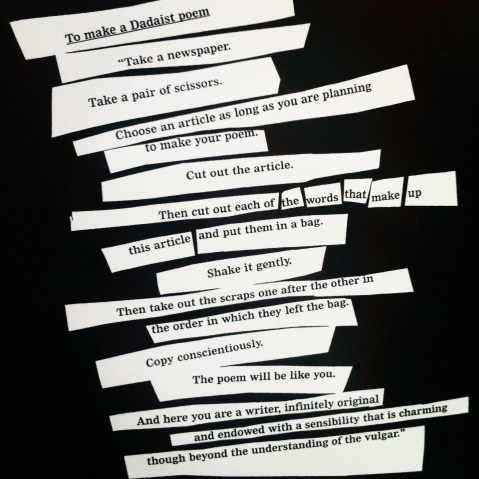
William Burroughs has a theory “logic of control” about languages of aires and control structure. Burroughs uses cut ups as a technique to cut through the rigid aspects of reality. He speaks about the governing structures of language and thought that control and trap us in our everyday lives – cut ups act as hacking and breaking through the structures of the language. Burroughs and Deleuze claim that globalisation, late capitalism, psychoanalysis, representation are all names of control.
I use cut up technique in my project as a symbol for breaking through the structure of my dreams and thought in order to open a new perspective on a representation of reality. My photographes were guided by these texts and thus they represent the resistance to the norm and the standard of living. This is also demonstrated through my photos by the usage of triptography as it shows reality in a different dimension.
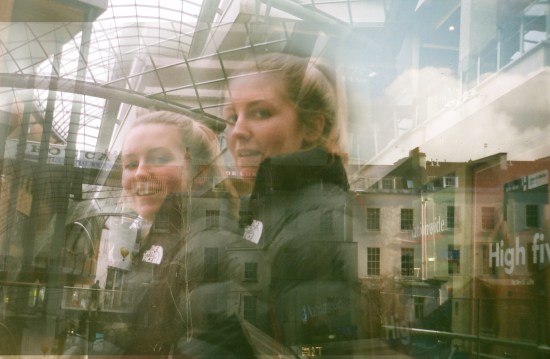
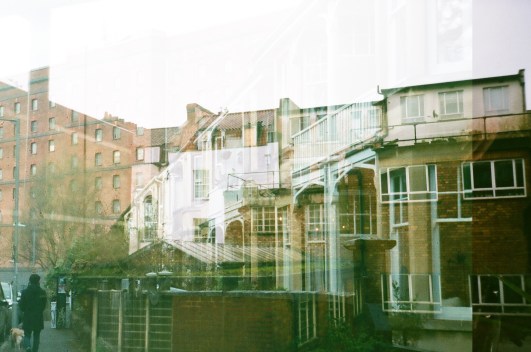
On the photo above you can see the linear quality of the urban environment, like a web. It represents that we as humans are being trapped within the structures of urban environments, unable to escape them. Typography which appears around the city acts as symbols of language that also structures our life in a certain way.
It empathises the fact that humans created environments around them that have become the structures that trap and constrain us. Blake describes this phenomena as “mind forged manacles”, a sense of not being able to get outside of the representatives of the culture around us, the stories and the narratives that we created for ourselves.
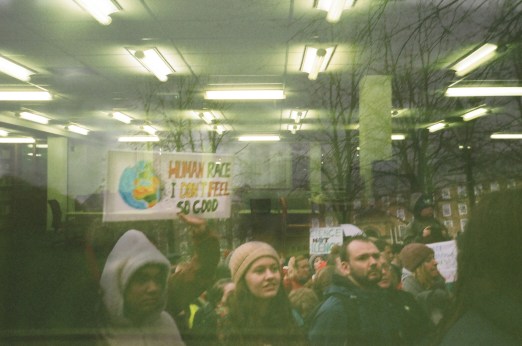
On this image you can see a contrast between the cold, empty and shallow office room and a street protest full of people. Here the chaotic organic human behaviour is juxtaposed with sharp lines, the structure and the architecture.
These people are crying for apolitical action and are strong believers in the power of the democracy and the freedom of speech. However, at the same time the shallow and dark office room that “hangs” above them acts as a brutal reminder of the order which persists in out everyday life.
There is a sense of chaos and disorder on both of these pictures from the climate protest. The flow and crowds of humans here are overlayed by the buildings symbolizes once again our urge for the freedom which is constrained by the city structures and regulations.
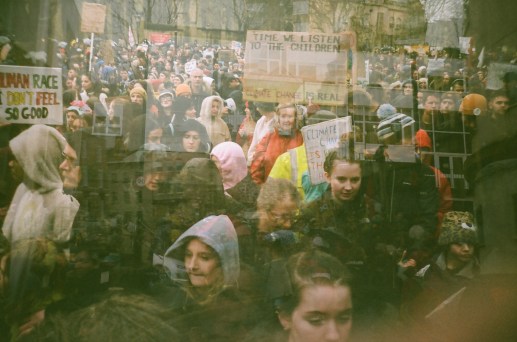
It shows how we, as human beings are very interconnected with our environment. We have an ability to compartmentalize, we can be marching on the climate change process however at the same time disconnected from the effect that our actions have in the real world.
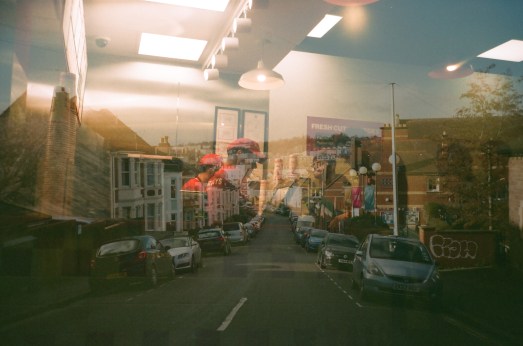
Again, the humans on this photograph appear to be trapped within the city, capped by the roads and the order of the pavements, straight lines. They are serving food in their uniforms and it symbolises how we as citizens serve to the civic powers within our governments.
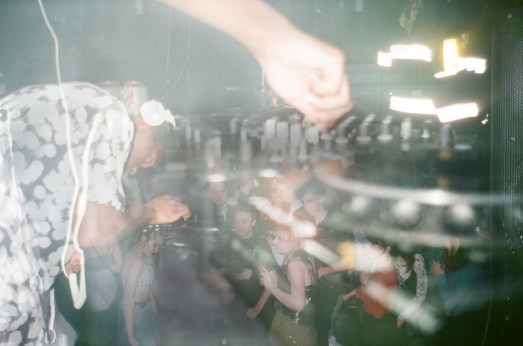
I wanted to show the impact that our actions have in culture, resituating people within the environments that they are interconnected with. For example, on the photo above the DJ is manipulating the dancers directly by twitching the knobs on his controller.
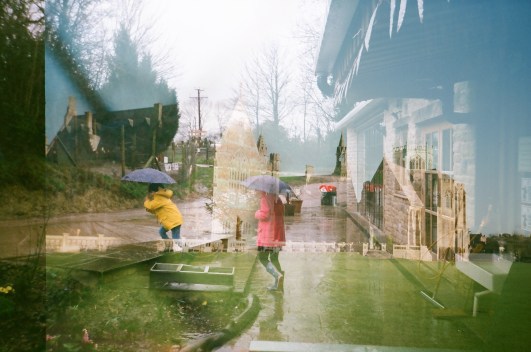
Human behaviour is fluid and water on this image acts as a symbol of this fluidity.
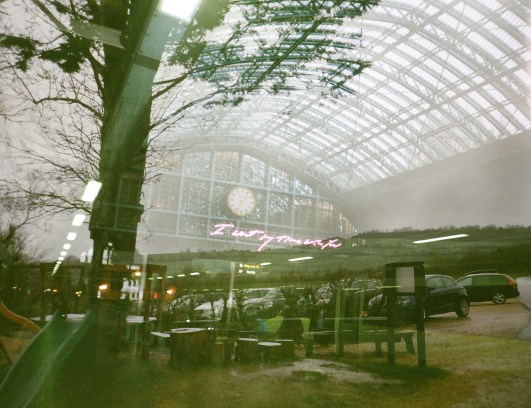
The contrained and regulated space of the railway station is juxtaposed with an open air free space in nature. It is the relationship of the city and the nature – the contrast between the freedom of being and the constraints and regulation of the city.
 Jane's Advanced Media Production Project